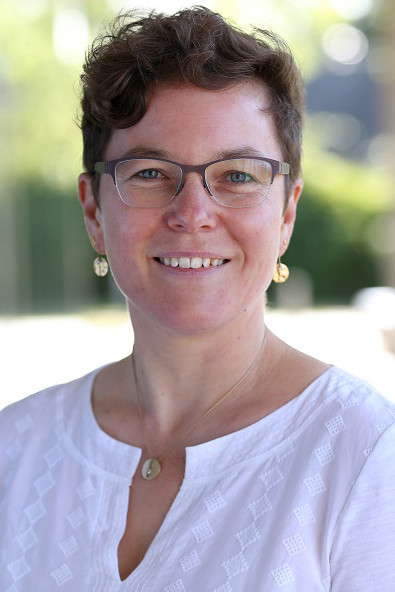
Dr. Barbara Kunz, Open University
Barbara Kunz is a geochemist managing the LA-ICP-MS lab at The Open University. Her background is in high-grade metamorphism and anatexis of crustal rocks. Her work includes the effects of prolonged high-temperature metamorphism on isotopic and element signatures in geochronometers as well as the influence of partial melting reaction on mobilising critical elements into granitic melts. She also champions the Technician Commitment at the OU to increase the visibility, recognitions and career development of research technical professionals.
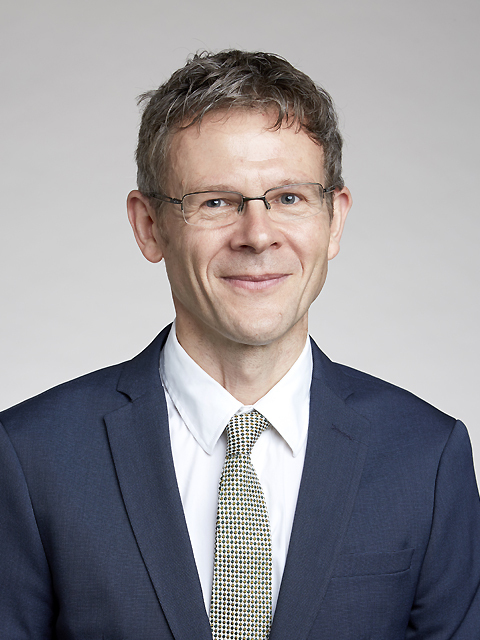
Prof. Tim Elliott, University of Bristol
Tim Elliott has spent his career making various isotope measurements of mantle derived rocks, bits of other planetary bodes and the occasional biogenic carbonate. He learned his trade amidst the concrete cows on Milton Keynes and further indulged this habit in the somewhat more uplifting environments of Lamont Doherty Earth Observatory and the Vrije Universiteit, Amsterdam before retuning to the UK. Over the past 25 years in Bristol, he has been pleasantly surprised by the new vistas offered by multi-collector plasma mass-spectrometry and has dabbled with the capabilities offered by adding a collision cell to such instruments.
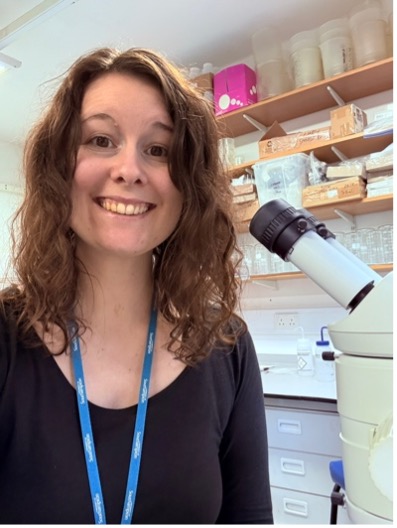
Dr Alexandra Auderset, University of Southampton
Dr. Alexandra Auderset is an organic geochemist and paleoceanographer, and a lecturer at the University of Southampton. She earned her PhD in 2020 through a joint program between ETH Zurich and the Max Planck Institute for Chemistry, followed by a Swiss National Science Foundation-funded postdoctoral fellowship at Princeton University. She then joined the University of Southampton as an Anniversary Fellow before transitioning into her current permanent role. Her research focuses on reconstructing past climates, with a particular emphasis on Cenozoic warm periods and the Miocene era. Using lipid biomarkers and fossil-bound nitrogen isotopes, she investigates biogeochemical cycling at multiple scales, from global processes like ocean oxygen minimum zones to microscale symbiotic nitrogen recycling in planktic foraminifera. She is actively involved in PAGES working groups PO2 and MioOcean (part of MioPlioVAR), which examine past ocean oxygenation and Miocene temperature evolution. Looking ahead, her work aims to refine our understanding of how nutrient dynamics shape ocean (de)oxygenation and their broader links to the global carbon and nitrogen cycle, as well as climate.
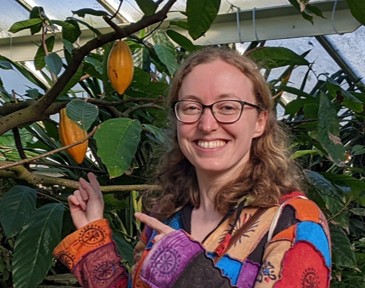
Dr. Rebekah Moore, Imperial College London
The Geochemistry Group’s Early Career Researcher Prominent Lecture 2025/26
Rebekah Moore is a Research Fellow at Imperial College London, where she has been a researcher and a member of the MAGIC isotope geochemistry group for the last twelve years. Since gaining her MSci in Geoscience in 2013 from Durham University, she has pioneered multidisciplinary research addressing critical health, food systems and environmental challenges, such as zinc deficiency, using ICP-MS, LA-ICP-MS and MC-ICP-MS. This year, she has collaborated with mycologists and social scientists on two exciting projects that aim to improve the intake of micronutrients by vulnerable populations, using ecologically-beneficial farming techniques and food production methods.
Dr. Savannah Worne, Loughborough University
The Geochemistry Group’s Early Career Researcher Prominent Lecture 2025/26
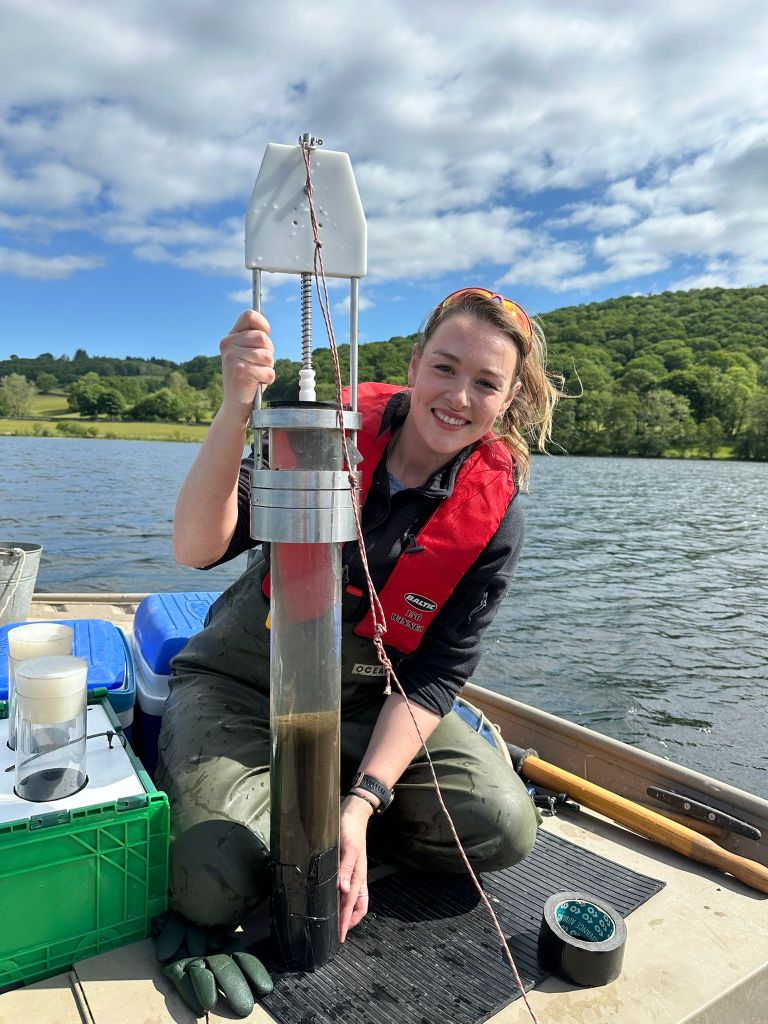
Savannah Worne is a Research Fellow at Loughborough University. Her work spans aquatic environmental biogeoscience, with interests in algal productivity, nutrient cycling, aquatic pollution, and the impacts of climate change on ecosystem structure and function. Her current fellowship focuses on understanding how nutrient cycling and harmful algal blooms interact in managed lakes. By combining water and sediment isotope geochemistry with ecological analyses, her research takes a holistic view of ecosystem health and explores how these systems may respond to climate change and human pressures.
Dr. Lena Chen, University of Bristol
The Geochemistry Group’s Postdoctoral Medal Winner 2026
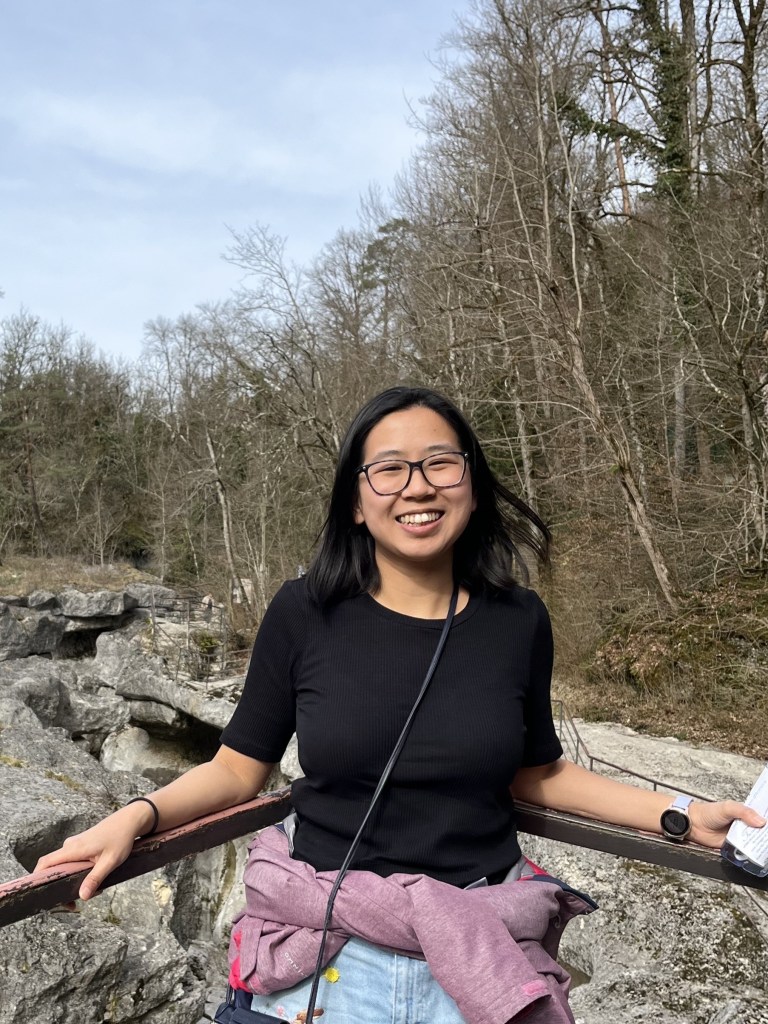
Lena Chen is a Senior Research Associate at the University of Bristol. Her research lies between geochemistry and environmental mineralogy. Her interest in geochemistry began during her MSci in Geology at Imperial College London, where she used trace metal stable isotopes to investigate the interactions between sediment and seawater. Building on this foundation, her PhD at the University of Leeds examined how mineral transformation processes in sediments impart isotopic signals to trace metals. Her current research focuses on the durability of uranium and thorium-bearing ceramic minerals as potential hosts for immobilising radioactive waste. She investigates the mechanisms and kinetics of their dissolution in groundwater, contributing to the development of a robust safety-case for the long-term disposal of radioactive waste.
 GGRiP 2026 Bristol